Starting a recipe blog in 2025 is an exciting opportunity to share your passion for food, connect with a global audience, and potentially turn your culinary creativity into a profitable venture. With the food blogging industry growing alongside the $4.4 trillion global food and beverage market, there’s never been a better time to launch your own platform. This comprehensive guide covers everything you need to know about how to start a recipe blog, from choosing a niche to monetizing your content. Whether you’re a home cook, professional chef, or food enthusiast, this step-by-step guide will help you build a successful recipe blog in 2025.
Recipe blogs combine creativity, community, and commerce, offering unique benefits:
High Demand: Food-related content accounts for 17% of online searches, with recipes driving significant traffic (Google Trends, 2025).
Monetization Potential: Earn through ads, sponsorships, affiliate marketing, or cookbooks.
Creative Outlet: Share your culinary expertise and unique recipes with a global audience.
Low Startup Costs: Start with minimal investment using affordable hosting and tools.
SEO Opportunities: Food blogs thrive on long-tail keywords like “easy vegan dinner recipes” or “gluten-free dessert ideas.”
Community Building: Engage with food lovers through comments, social media, and newsletters.
With trends like AI-generated recipes, video content, and sustainable cooking shaping 2025, a recipe blog can tap into a vibrant, ever-growing niche. Let’s dive into the steps to get started.
Tip: Optimize for how to start a recipe blog 2025 to target aspiring bloggers.
Step-by-Step Guide to Starting a Recipe Blog
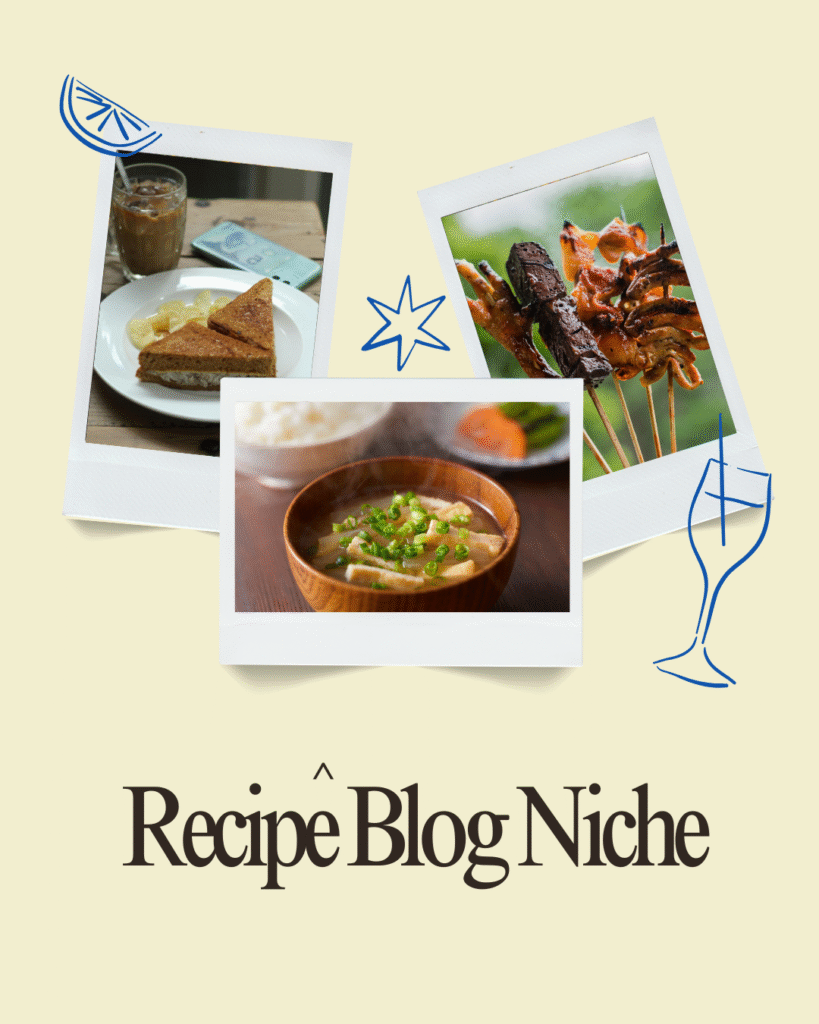
Step 1: Choose Your Recipe Blog Niche
Why It Matters: A focused niche helps you stand out in a crowded market, attract a targeted audience, and rank higher for specific keywords.
Popular Niches for 2025:
Healthy Eating: Vegan, keto, gluten-free, or low-carb recipes.
Cultural Cuisine: Authentic Italian, Indian, or Mexican dishes.
Quick Meals: 30-minute dinners or meal prep ideas.
Sustainable Cooking: Plant-based or zero-waste recipes.
Baking and Desserts: Specialty cakes, pastries, or gluten-free treats.
Budget Cooking: Affordable meals for students or families.
How to Choose:
Identify Your Passion: Focus on recipes you love to cook and share.
Research Demand: Use tools like Google Trends or AnswerThePublic to find trending topics (e.g., “air fryer recipes” spiked 40% in 2025).
Analyze Competition: Search for keywords like “vegan recipes” or “quick dinner ideas” to assess competition and gaps.
Consider Your Audience: Target specific groups, such as busy parents or fitness enthusiasts.
Example: A niche like “vegan air fryer recipes” combines trending diets with popular cooking methods, ensuring relevance and searchability.
Pro Tip: Avoid overly broad niches (e.g., “recipes”). Instead, aim for specific long-tail keywords like “easy vegan air fryer snacks” to boost SEO.
Step 2: Pick a Memorable Blog Name and Domain
Why It Matters: Your blog name and domain are your brand’s identity, impacting memorability and SEO.
Tips for Choosing a Name:
Keep It Relevant: Include food-related terms (e.g., “Bite,” “Sizzle,” “Spoon”).
Make It Catchy: Short, memorable names like “TastyTrove” or “SavorSimple” work well.
Check Availability: Ensure the domain and social media handles are available.
Incorporate Keywords: Use terms like “recipes,” “kitchen,” or “cook” for SEO (e.g., “VeganVibesKitchen.com”).
Domain Registration:
Use registrars like Namecheap ($8.98/year) or GoDaddy ($9.99/year).
Opt for a .com domain for credibility, but .co or .kitchen are trendy alternatives.
Check availability with tools like Domain.com or Google Domains.
Example: “PlantBasedBites.com” is niche-specific, SEO-friendly, and memorable.
Pro Tip: Secure matching social media handles (e.g., @PlantBasedBites) to maintain brand consistency across platforms.
Step 3: Choose a Reliable Web Hosting Provider
Why It Matters: Your hosting provider affects site speed, uptime, and SEO performance. A fast, reliable host ensures a great user experience.
Recommendation: Hostinger is the best choice for budget-conscious bloggers due to its low cost, NVMe storage, and LiteSpeed servers, which boost SEO and user experience.
Steps:
Sign up for a hosting plan (e.g., Hostinger’s Premium Shared Hosting).
Register your domain during checkout.
Enable auto-renewal to avoid losing your domain.
Use the hosting provider’s setup wizard to install WordPress.
Pro Tip: Choose a hosting plan with at least 50 GB storage and unlimited bandwidth to handle recipe images and traffic spikes.
Pro Tip: Post 2–3 recipes per week initially to build content, focusing on trending keywords like “air fryer recipes” or “plant-based meals.”
Step 6: Optimize Your Blog for SEO
Why It Matters: SEO drives organic traffic, which accounts for 53% of website visits in 2025 (BrightEdge). A well-optimized recipe blog ranks higher on Google, attracting more readers.
SEO Best Practices:
Keyword Research:
Use Google Keyword Planner (free) or Ahrefs to find keywords with 500–5,000 monthly searches and low difficulty.
Include primary keywords in the title, URL, meta description, and first 100 words.
Use H2/H3 tags for subheadings (e.g., “Ingredients,” “Instructions”).
Add alt text to images (e.g., “vegan chocolate cake slice”).
Technical SEO:
Ensure site speed is under 2 seconds (use LiteSpeed Cache).
Enable SSL for secure browsing (included with Hostinger).
Submit a sitemap to Google Search Console.
Internal and External Linking:
Link to related recipes (e.g., “Try my Vegan Brownie Recipe”).
Cite reputable sources like BBC Good Food or Serious Eats for credibility.
Recipe Schema Markup:
Use WP Recipe Maker to add structured data for ingredients, cook time, and ratings.
Boosts chances of appearing in Google’s recipe carousel.
Pro Tip: Focus on “People Also Ask” questions from Google (e.g., “How to make vegan pizza crust?”) to create FAQ sections that drive traffic.
Step 7: Build Your Audience with Social Media and Email Marketing
Why It Matters: Social media and email marketing amplify your reach, drive traffic, and build a loyal audience.
Social Media Strategies:
Choose Platforms:
Pinterest: Ideal for recipes, with 70% of users searching for food content. Create pin-worthy images with Canva.
Instagram/TikTok: Share 15–60 second recipe videos (e.g., “How to Make Vegan Tacos in 30 Seconds”).
YouTube: Post longer recipe tutorials (5–10 minutes) for in-depth engagement.
Content Ideas:
Share recipe snippets, cooking tips, or behind-the-scenes content.
Use hashtags like #VeganRecipes or #AirFryerHacks (trending in 2025).
Post consistently (3–5 times/week per platform).
Engage Your Audience:
Respond to comments and DMs promptly.
Run polls or giveaways (e.g., “Vote for the next recipe!”).
Email Marketing Strategies:
Choose a Platform:
Brevo (free, 300 emails/day): Affordable with CRM integration.
MailerLite (free, 1,000 subscribers): Simple for beginners.
Build Your List:
Add sign-up forms to your blog (e.g., “Get Free Vegan Recipes!”).
Offer lead magnets like a free e-cookbook or meal plan.
Send Newsletters:
Share weekly recipes, tips, or blog updates.
Use Brevo’s automation for welcome emails or drip campaigns.
Pro Tip: Pin a recipe image to Pinterest with a direct link to your blog post to drive 30–50% of your initial traffic.
Step 8: Monetize Your Recipe Blog
Why It Matters: Monetization turns your passion into profit, covering hosting costs and generating income.
Monetization Methods:
Display Ads:
Join ad networks like Google AdSense (free) or Mediavine (requires 50,000 monthly sessions).
Earn $0.50–$5 per 1,000 page views.
Affiliate Marketing:
Promote kitchen tools, ingredients, or cookbooks via Amazon Associates (4–8% commission) or ShareASale.
Example: Link to air fryers or vegan cookbooks in recipes.
Sponsored Posts:
Partner with food brands or kitchenware companies (e.g., Vitamix, Thrive Market).
Rates: $100–$1,000 per post (depends on traffic).
Sell Digital Products:
Create e-cookbooks or meal plans using Canva or Gumroad ($10–$50 per sale).
Offer cooking classes via Teachable ($29/month).
Memberships:
Use Patreon to offer exclusive recipes or videos ($5–$20/month per patron).
Pro Tip: Start with affiliate marketing and ads, as they require minimal traffic. Aim for 10,000 monthly page views within 6–12 months to join Mediavine.
Step 9: Promote and Grow Your Blog
Why It Matters: Consistent promotion ensures steady traffic and audience growth, critical for long-term success.
Growth Strategies:
SEO Optimization: Continuously research trending keywords and update old posts with new images or content.
Content Frequency: Publish 2–3 posts weekly, mixing recipes with listicles or guides.
Collaborations: Guest post on other food blogs or collaborate with influencers on Instagram/TikTok.
Analytics: Use Google Analytics (free) to track traffic, top pages, and user behavior.
Community Engagement: Join food blogging communities on X or Reddit (e.g., r/foodbloggers) for tips and networking.
Pro Tip: Repurpose content across platforms (e.g., turn a blog recipe into a TikTok video or Pinterest pin) to maximize reach.
Step 10: Stay Compliant and Professional
Why It Matters: Legal compliance and professionalism build trust and protect your blog.
Key Actions:
Add Legal Pages:
Create Privacy Policy, Terms of Use, and Disclaimer pages using Termly (free).
Comply with GDPR for EU visitors (use cookie consent plugins like Complianz).
Disclose Affiliations:
Add affiliate disclosure statements (e.g., “This post contains affiliate links”).
Follow FTC guidelines for sponsored content.
Secure Your Site:
Enable SSL (free with Hostinger).
Use Wordfence (free) for malware protection.
Backup Regularly:
Enable daily backups via your hosting provider or UpdraftPlus (free).
Pro Tip: Use a professional email address (e.g., contact@yourblog.com) via Hostinger’s email hosting for credibility.
Common Mistakes to Avoid When Starting a Recipe Blog
Choosing a Broad Niche: Avoid generic topics; focus on specific niches like “vegan desserts” for better SEO.
Neglecting SEO: Skipping keyword research or schema markup reduces visibility.
Poor Image Quality: Low-resolution photos deter readers; invest in good lighting or editing tools.
Inconsistent Posting: Sporadic updates hurt traffic; stick to a schedule.
Ignoring Mobile Optimization: 60% of users browse recipes on mobile (Statista, 2025); use responsive themes like Astra.
Skipping Email Marketing: Missing out on newsletters limits audience retention.
2025 Trends for Recipe Blogs
Short-Form Video: TikTok and Instagram Reels drive 40% of recipe traffic in 2025 (Hootsuite).
AI-Generated Recipes: Tools like ChatGPT assist with recipe ideation, but personalize them for authenticity.
Sustainable Cooking: Zero-waste and plant-based recipes gain traction.
Voice Search: Optimize for voice queries like “What’s a quick vegan dinner recipe?”
Interactive Content: Polls, quizzes, and shoppable recipe ingredients boost engagement.
Tools and Resources for Your Recipe Blog
Tool
Purpose
Cost
Hostinger
Web hosting with LiteSpeed
$2.99/month
WordPress
Blog platform
Free
WP Recipe Maker
Recipe cards with schema markup
Free/$49
Canva
Image editing and graphics
Free/$12.99
Brevo
Email marketing
Free/$25
Yoast SEO
SEO optimization
Free/$99
Google Analytics
Traffic tracking
Free
Ahrefs
Keyword research
$99/month
FAQs About Starting a Recipe Blog in 2025
1. How much does it cost to start a recipe blog?
You can start for ~$50/year (Hostinger hosting + domain). Add $50–$100 for premium themes or plugins if needed.
2. How long does it take to make money from a recipe blog?
With consistent posting and SEO, you can earn $100–$500/month within 6–12 months via ads and affiliates.
3. Do I need to be a professional chef to start a recipe blog?
No, passion for cooking and storytelling is enough. Home cooks often resonate more with audiences.
4. What’s the best platform for a recipe blog?
WordPress is the best for flexibility, SEO, and recipe-specific plugins like WP Recipe Maker.
5. How can I drive traffic to my recipe blog?
Use SEO, Pinterest, Instagram Reels, and email newsletters to attract and retain readers.
Conclusion: Start Your Recipe Blog Today
Starting a recipe blog in 2025 is an achievable and rewarding venture with the right strategy. By choosing a niche, securing affordable hosting like Hostinger, building a WordPress site, and creating SEO-optimized content, you can attract a loyal audience and monetize your passion. Focus on high-quality recipes, engaging visuals, and consistent promotion via social media and email marketing to stand out. With trends like short-form video and sustainable cooking driving traffic, now is the perfect time to launch your blog.
Get started with Hostinger for just $2.99/month and use WP Recipe Maker to create professional recipe cards. Try Brevo or MailerLite for free email marketing to build your audience. Share your journey on X or in the comments below, and subscribe to Blogging Ladder for more guides on blogging and SEO!